We use affiliate links to run our site. When you buy through links on our site, we may earn an affiliate commission, without any added cost to you. Learn more
Are you tired of spending money on expensive Tomato seeds that never seem to produce the same tasty results as they did last year? Do you want to finally learn how to properly save your own Tomato seeds so that you can grow the best-tasting Tomatoes next year at a fraction of the cost?
If the answer to any of these questions is yes, then this guide is for you! Here you’ll learn how to save tomato seeds easily and grow healthy tomatoes that are free of toxins and chemicals year after year.
Why save seeds?
- Preserve your favorite flavor and traits for future seasons.
- Reduce yearly seed costs.
- Maintain open‑pollinated/heirloom varieties for true-to-type offspring.
Heirloom vs hybrid — key difference
- Heirloom/open‑pollinated: seeds will generally breed true (same characteristics).
- Hybrid (F1): seeds often won’t produce plants like the parent; don’t save hybrids if you need consistent results.
Before you start — choose the right fruit
- Select fully ripe, healthy tomatoes from the plant with the traits you want (flavor, disease resistance).
- Avoid fruit showing disease or rot.
- If you grow multiple varieties close together, note possible cross‑pollination (for strict varietal purity allow isolation or save from greenhouse plants).
Materials needed
- Clean glass jar with lid or small plastic container
- Spoon or knife
- Water
- Fine mesh strainer or cup
- Paper towels or uncoated coffee filters
- Small envelopes, glass vials, or airtight containers for storage
- Permanent marker for labeling
How To Save Tomato Seeds:
One of the best features of a tomato plant is that it is self-pollinating. So you don’t need to worry about the quality of the tomato seeds unless you are using a hybrid variety.
There is very little chance of insects polluting the quality of your seeds even though you are growing different varieties of tomatoes together.
Saving the seeds from tomatoes is very easy.
Step‑by‑step: Fermentation Method (recommended)
Fermentation is the traditional method that mimics the natural process of a fallen fruit rotting, which cleans the seeds and prepares them for germination. Here is a 6 step guide on how to do it.
1. Pick and prepare (10 minutes)
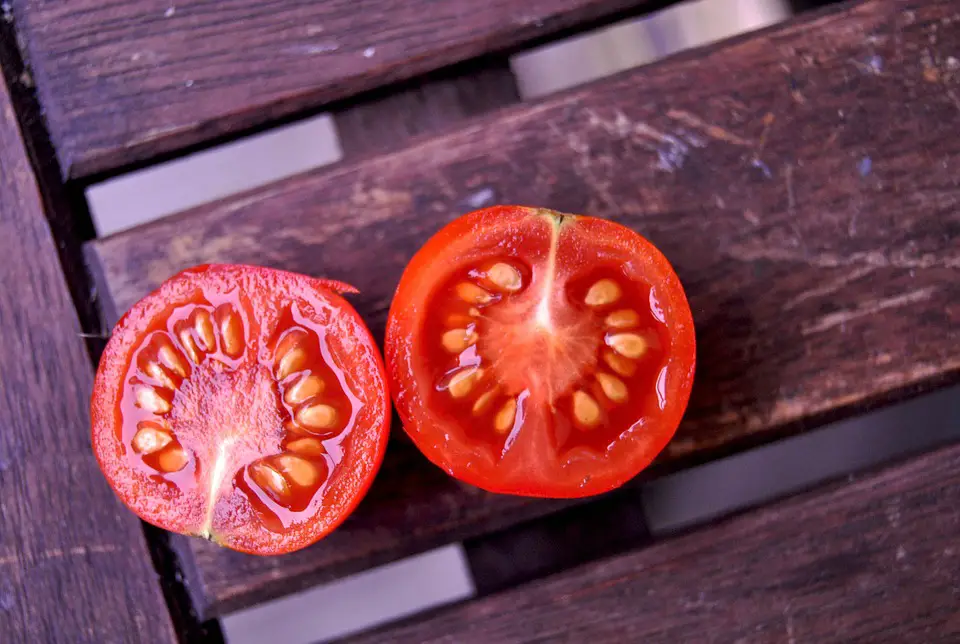
– Cut tomato across the middle and scoop seeds plus gel into a jar. Use several fruits of the same variety to get enough seeds.
2. Add water and mash gently (5 minutes)
– Add a little water to cover seeds and pulp, stir to mix. The water will turn murky.
3. Ferment (48–72 hours)
– Loosely cover the jar and leave it in a warm spot out of direct sun for 2–3 days. Fermentation breaks down the gelatinous coating around seeds.
– Stir once or twice a day. Bubbles and a slightly sour smell are normal. If black mold grows extensively or the smell is foul, discard and try again with healthy fruit.
4. Rinse and separate (10–20 minutes)
– After fermentation, add water, stir, and the viable seeds will sink while pulp and bad seeds often float. Pour off the floating material and repeat until the settled seeds are fairly clean. Use a fine strainer if handy.
5. Dry thoroughly (3–7 days)
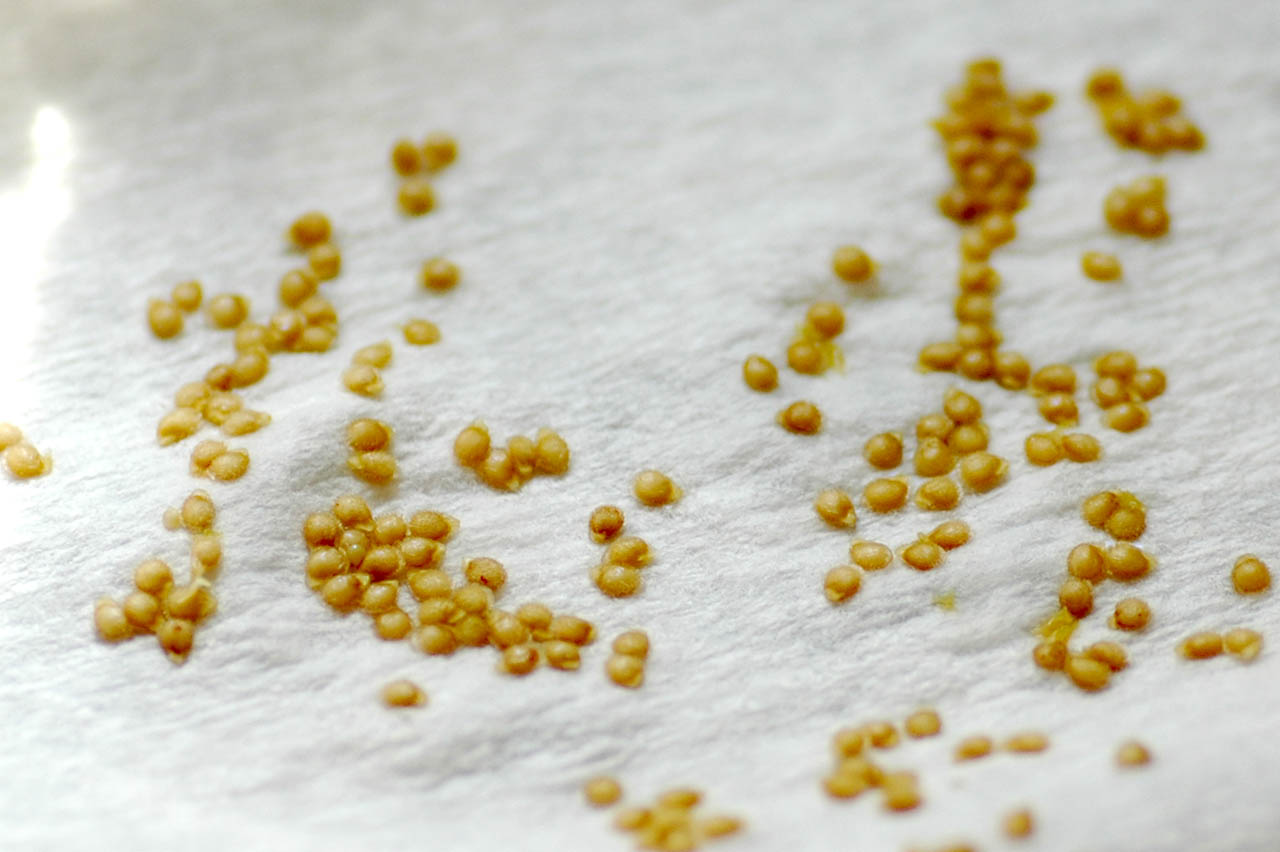
– Spread seeds in a single layer on paper towels or uncoated coffee filters. Label with variety and date. Allow to dry in a well‑ventilated area away from direct sunlight. Stir gently daily so seeds dry evenly. Dried seeds should not clump.
6. Store sealed and cool (long‑term)
– Place fully dry seeds in airtight containers or paper envelopes inside a dry glass vial. Add a silica packet if you have one. Store in a cool, dark place (refrigerator is ideal for long storage). Label with variety and date.
The Minimalist’s Method: Quick and Simple Drying
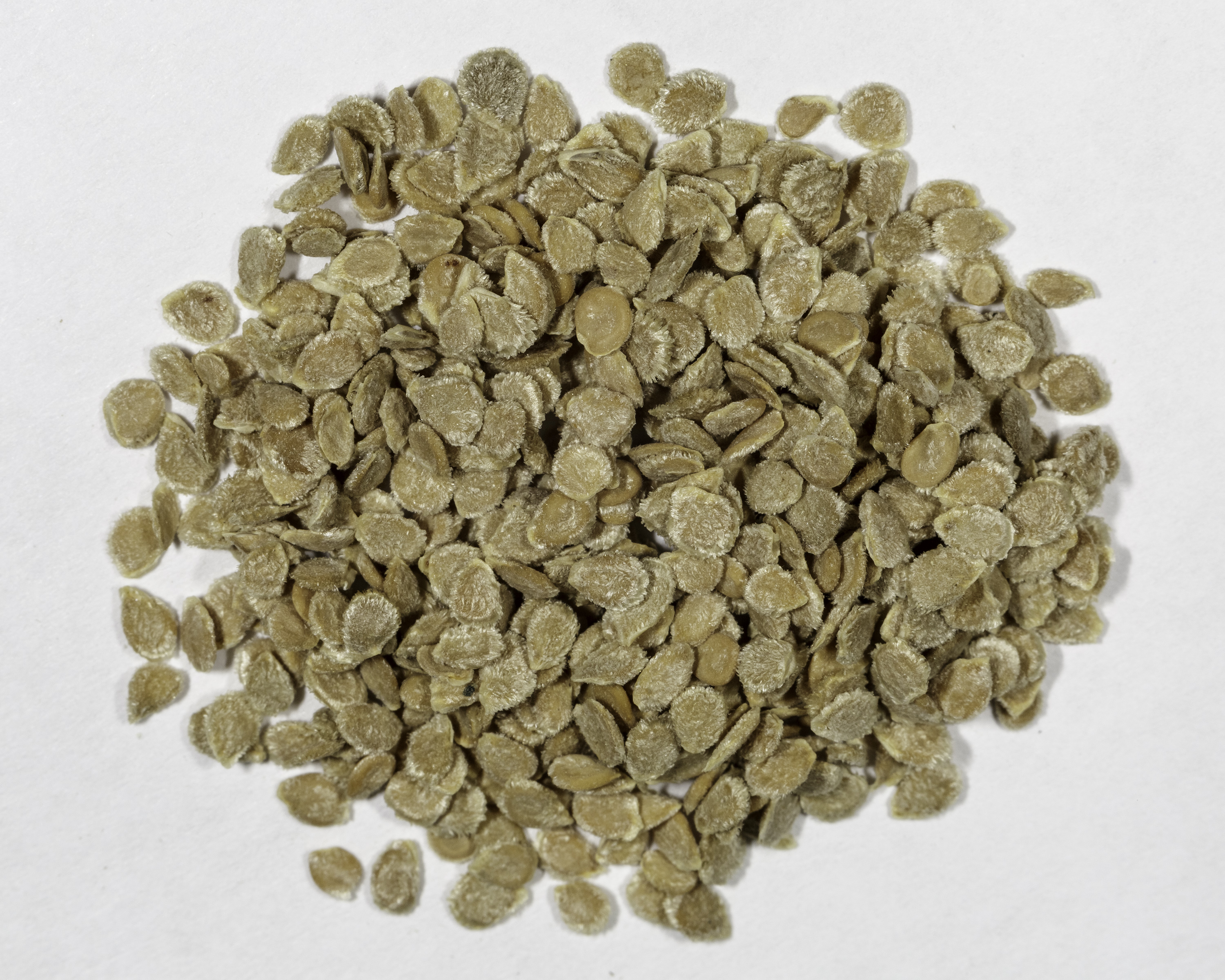
For many home gardeners, the simplest method is the best. This approach skips fermentation entirely, saving time and avoiding unpleasant odors. The most popular technique involves nothing more than a paper towel.
Proponents of this method argue that for personal use, fermentation is often an unnecessary step. The process is as simple as squeezing the tomato seeds and their surrounding “goop” onto a surface and letting them air dry.
While paper towels are common, you can also use wax paper, parchment paper, paper plates, or silicone mats for this process.
Conclusion:
So now you know how can you save the seeds from your tomato plants give it a try.
Learning how to harvest and save tomato seeds is a great way to ensure a bountiful tomato crop for years to come with no additional costs. Try saving tomato seeds from your favorite varieties and experiment with different techniques to find what works best for you.
I hope this post was helpful. If you like the information, please share it with others too. You can learn more interesting posts about growing tomatoes here.
Amazon and the Amazon logo are trademarks of Amazon.com, Inc, or its affiliates.