We use affiliate links to run our site. When you buy through links on our site, we may earn an affiliate commission, without any added cost to you. Learn more
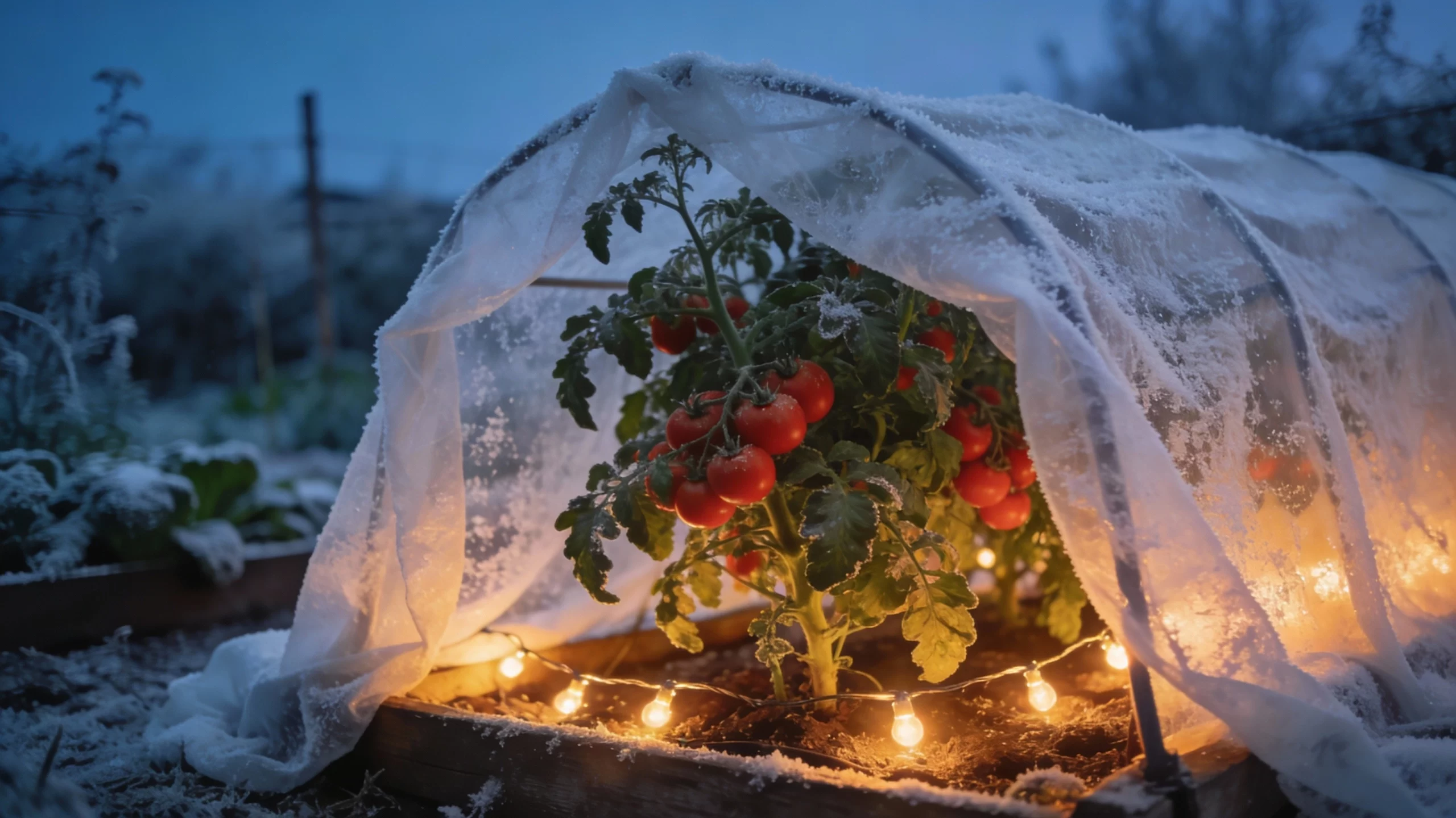
TL;DR — Most tomato varieties begin to suffer below about 55°F (13°C); frost (32–33°F / 0–1°C) will usually kill leaves and fruit. Learn quick emergency steps, season‑extension methods, and safe ripening tips below.
Why is it so important
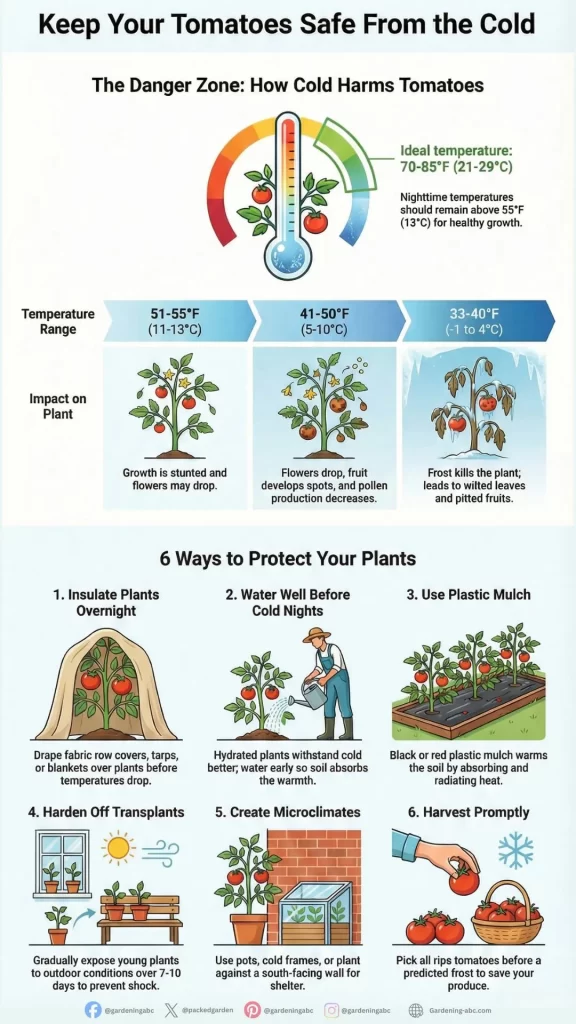
Tomatoes are warm‑season crops — they produce best when daytime temps are about 70–85°F (21–29°C) and nights are above ~55°F (13°C). Cooler nights reduce fruit set and quality; short cold spells slow growth; frost causes tissues to freeze, often turning vines limp and black.
How cold affects tomato plants (quick reference)
- 70–85°F (21–29°C): ideal daytime range.
- 55–65°F (13–18°C): acceptable nights; slow growth possible near the lower end.
- 50–55°F (10–13°C): growth slows, flowers may drop, fruit set declines.
- 41–50°F (5–10°C): risk of chilling injury — pitted fruit, reduced pollen viability.
- 33–40°F (1–4°C): severe damage likely; tender tissue blackens.
- ≤32°F (0°C): frost — tissue freezing and plant death are common
Decide your primary goal:
- Prevent immediate frost damage (short‑term emergency actions).
- Extend the season by several weeks (strategic methods).
- Overwinter a few plants indoors (longer‑term option).
Emergency steps when frost is forecast (HowTo)
1. Check the forecast
Look at the forecast daily when temperatures drop. Most weather apps show overnight lows. When frost threatens, act fast.
2. Harvest ripe/near-ripe fruit:
Bring green fruit indoors to ripen on a windowsill or in a paper bag with an apple.
3. Cover plants at dusk:
Use frost cloth, bed sheets, or lightweight row cover; anchor edges to prevent heat loss. (Do NOT use thin plastic directly on foliage unless plants are small and you provide ventilation.)
4. Add radiant heat safely:
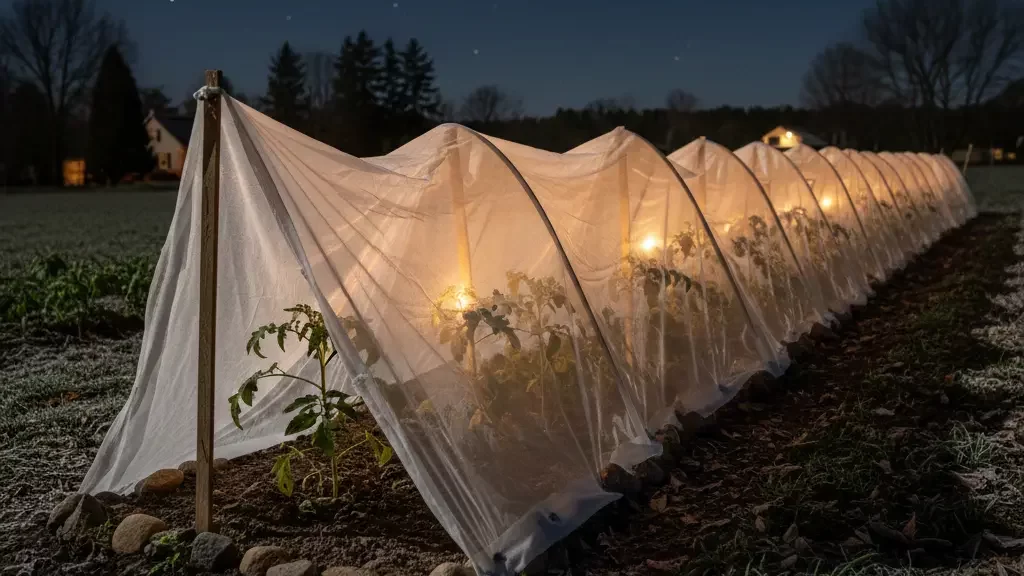
String old incandescent lights (low wattage) under the cover or place a safe outdoor heat source (respect electrical safety). Avoid open flames near covers.
5. Water soil in the afternoon
Water soil thoroughly during the afternoon before the cold night — moist soil holds heat better than dry soil.
Best methods to extend your growing season
Row covers/floating fabric:
These lightweight, breathable fabrics are easy to deploy; they raise temperatures under the cover by a few degrees and protect plants from light frost.
Cloches and cold frames:
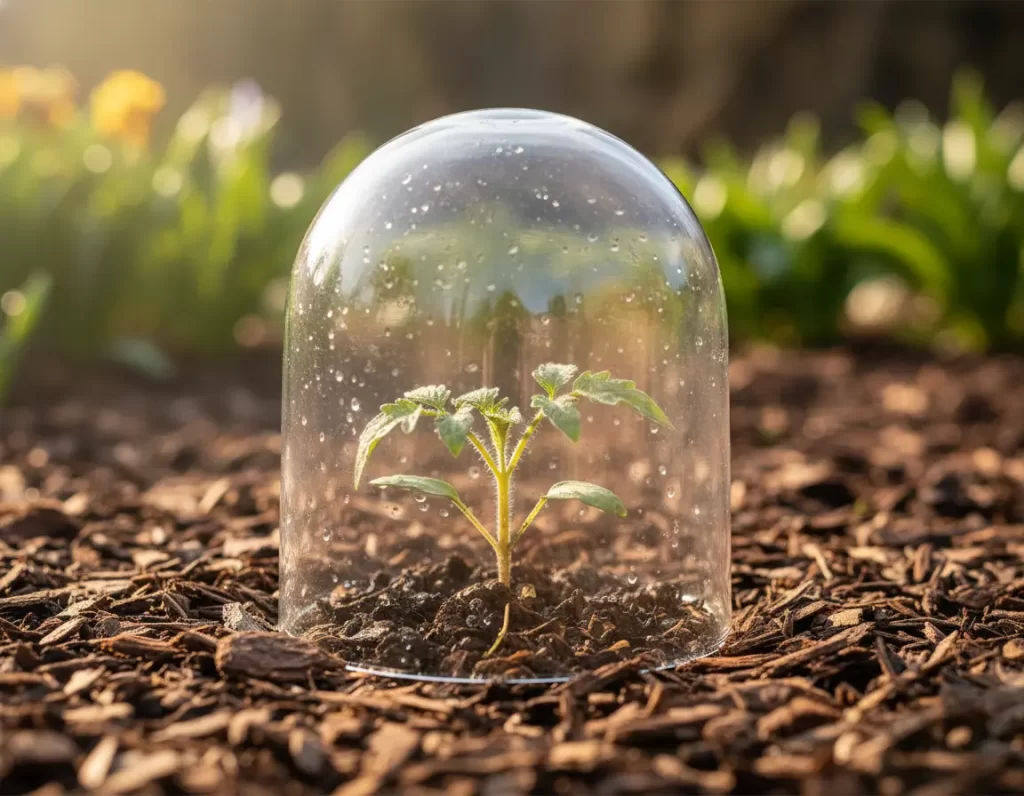
Provide portable mini‑greenhouse protection for individual plants or small beds.
High tunnels/greenhouse:
Best for multi-week extension and better fruit ripening.
Black/red plastic mulch:
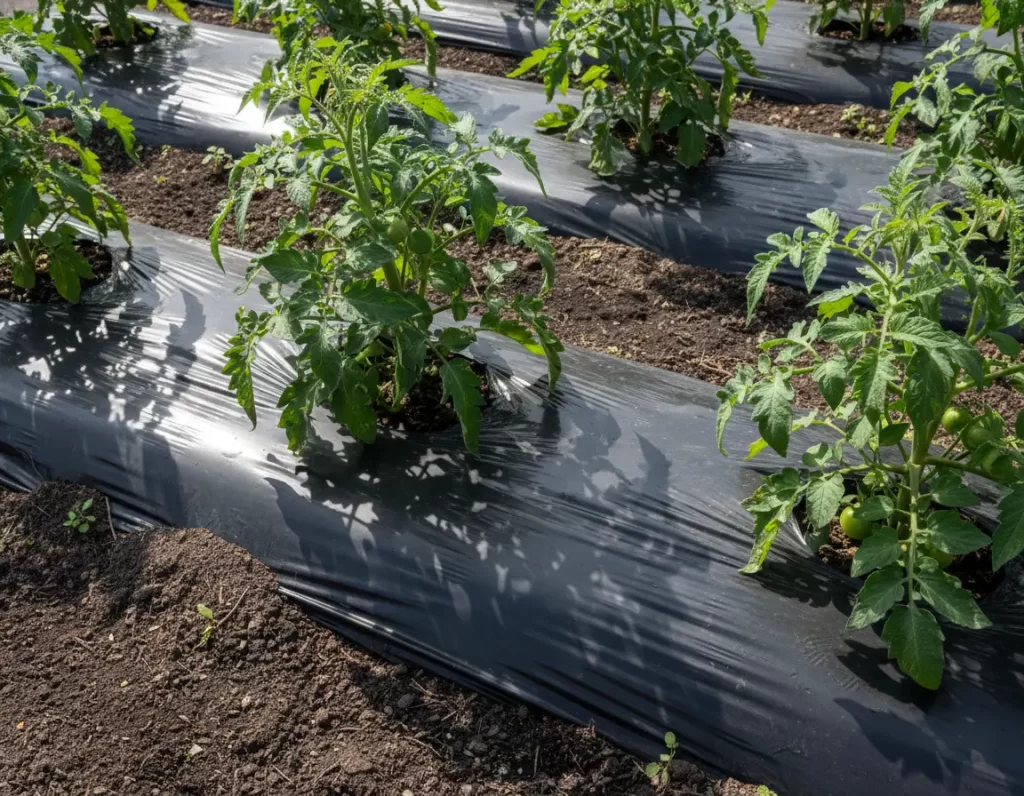
Warms soil and speeds early growth (use with drip irrigation).
Containers & microclimates:
Plants in pots warm faster and can be moved to sheltered or sunny spots.
Supplemental heat:
Low‑wattage greenhouse heaters, heat cables around soil, or LED grow lights under covers for short cold snaps
Step‑by‑step: season extension plan
1. Choose varieties
Pick early‑maturing and cold‑tolerant cultivars if you have a short season (e.g., cherry types or varieties labeled “early”).
2. Start seeds & harden off
Begin indoors 4–6 weeks before last frost; harden off over 7–10 days by gradually increasing outdoor exposure.
3. Prepare beds & mulch
Prepare beds with black/red plastic mulch and drip tape before transplanting.
4. Plant for microclimate
Plant on southern slopes or against warm walls when possible for extra heat retention.
5. Use covers strategically
Use row covers nightly as temperatures start to dip, and remove during warm afternoons to avoid overheating and pests.
6. Monitor and harvest
Pick ripening fruit frequently and pull selected plants for indoor ripening if a hard freeze is imminent.
Product & material comparison
- Floating row cover: breathable, reusable, good for light frost protection.
- Frost cloth (heavier): protects to lower temps but can reduce light — remove midday if warm.
- Plastic cloche/tunnel: traps more heat but needs ventilation on warm days.
- Electric heaters/heat cables: effective but require power and safety precautions.
How to ripen green tomatoes
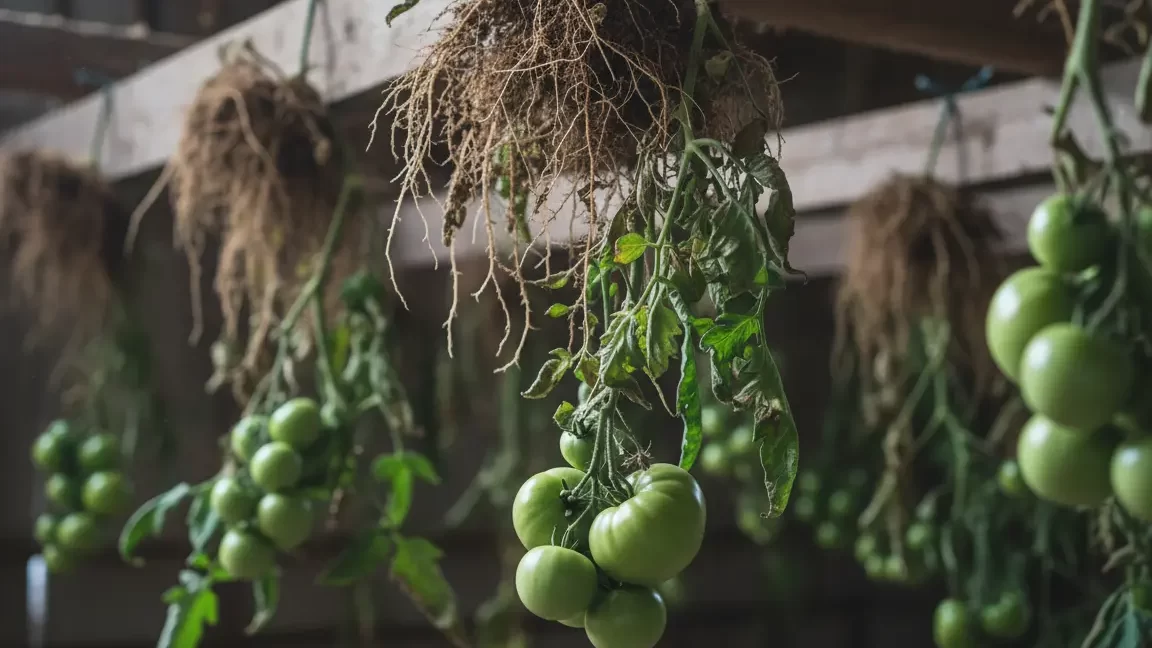
- Bring green fruit indoors: wrap individual tomatoes in newspaper or place them in a cardboard box with a ripe banana or apple to speed ethylene‑driven ripening.
- Hang plants indoors: if still on vines with rootballs, move healthy plants into a bright, cool room to slowly ripen fruit.
What NOT to do
- Don’t leave thin plastic sheeting touching foliage in freezing conditions — it can cause more harm than good.
- Avoid open flames under covers — risk of fire.
- Don’t prune heavily when cold is expected; fresh cuts are more frost‑sensitive.
Frequently Asked Questions
What temperature kills tomato plants?
Most tomatoes suffer lethal frost damage at or below 32°F (0°C). Significant damage often appears below ~33–40°F (1–4°C), depending on duration and plant vigor.
Can I save tomatoes after a light frost?
If damage is limited to leaves, plants can sometimes recover if weather warms and foliage is removed. If stems and fruit are blackened and mushy, those parts are likely dead. Salvage by harvesting usable fruit and protecting remaining growth.
Will covering tomato plants with plastic help?
Only if done correctly — use vented cloches or plastic supported so it does not touch foliage, and provide ventilation in daytime. Lightweight breathable row covers are safer for overnight use.
How can I overwinter tomato plants indoors?
Move healthy plants to large containers before sustained cold, provide bright light (south window or grow light), and keep temps cool but above ~50°F (10°C). Trim and reduce watering in winter.
Get the checklist
Want a one‑page printable frost‑protection checklist or a comparison of the best row covers and cloches? I have prepared a PDF you can download here.
Conclusion
Tomatoes are forgiving when you plan ahead: pick the right varieties, harden transplants, use simple covers or cloches, and harvest before hard freezes.
Small actions — a timely cover, a warm microclimate, or moving a pot indoors — can save a whole season’s harvest.
Try one method this season and refine it for your garden’s microclimate.
About the author
Prasenjit — hobby gardener and writer. I test methods in my own garden and share practical, experience‑based advice.
Amazon and the Amazon logo are trademarks of Amazon.com, Inc, or its affiliates.

Hi there! My name is Prasenjit and I’m an avid gardener and someone who has grown a passion for growing plants. From my hands-on experience, I have learned what works and what doesn’t. Here I share everything I have learned.