We use affiliate links to run our site. When you buy through links on our site, we may earn an affiliate commission, without any added cost to you. Learn more
If you’ve ever stood in a garden center, staring at a gorgeous hibiscus plant with blooms the size of dinner plates and wondered, “Is this thing going to come back next year or am I basically buying a one-hit wonder?” — you’re not alone. The hibiscus is arguably one of the most dazzling plants you can grow, but it carries with it one of the most confusing identities in the plant world.
Here’s the honest truth: hibiscus can be both a perennial and an annual, depending on who you’re asking, where you live, and which type of hibiscus you’re growing. Like a chameleon it is adaptable, unpredictable, and endlessly fascinating. So before you toss that plant into your garden bed with big hopes, let’s unpack exactly what you’re working with.
It also took me a while to find out.
What Is A Perennial Shrub?
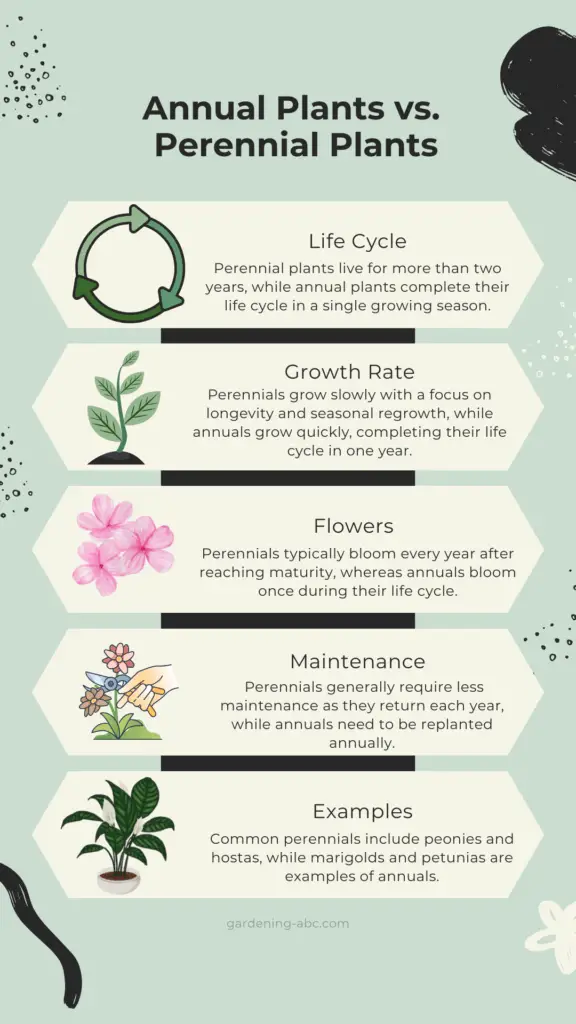
A perennial plant blooms year after year. The first year it may put out only leaves, but from the second year on it will produce flowers as well.
When a perennial is cut back to the ground at the end of the season, it will produce new growth from that very same base.
In most cases, perennials will die back to their root systems during the winter and begin growing again in the spring.
What Is An Annual Shrub?
Annual shrubs live for only one season and must be replanted every year. An annual plant produces flowers for one season only. After that season is over, the plant will die and not come back again next year.
Is Hibiscus A Perennial Plant?
Here’s where it gets deliciously complicated. Hibiscus isn’t a single plant — it’s an entire genus containing hundreds of species. Some are tropical. Some are cold-hardy. Some can survive a Minnesota winter; others will shrivel the moment the temperature dips below 50°F.
Calling all hibiscus either “perennial” or “annual” is like calling all dogs either “big” or “small” — technically possible, but wildly oversimplified.
The short answer? It depends on the species and your growing zone. Let’s break those species down.
Types of Hibiscus:
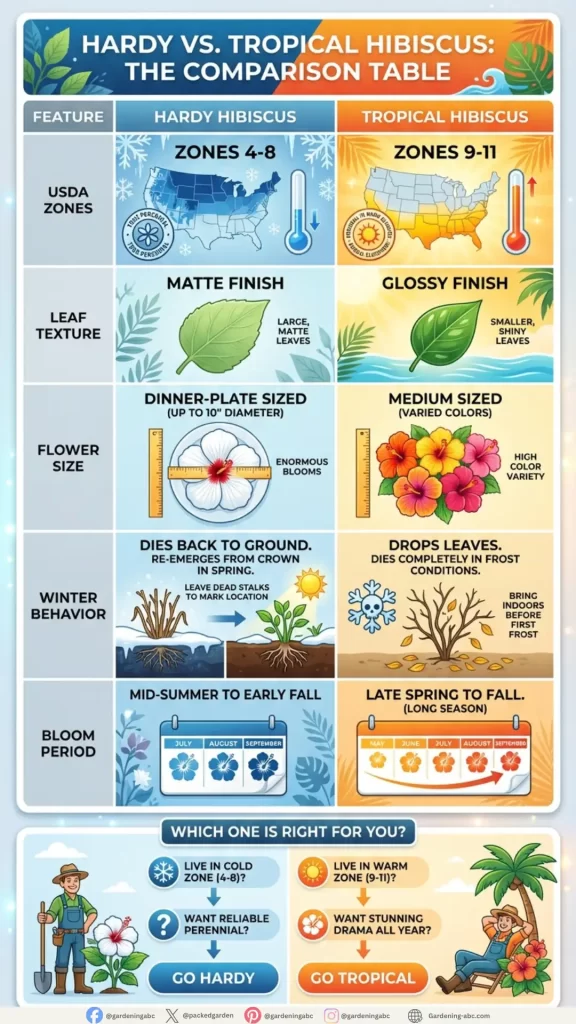
There are two varieties of hibiscus plants: hardy hibiscus and tropical hibiscus. Both varieties are perennial, but in different zones. Tropical hibiscus only acts as a perennial in zone 9-11, whereas hardy hibiscus can survive as a perennial in zones 4-8.
Although it is a perennial, some varieties of hibiscus are also grown as annuals.
What About Annual Hibiscus?
Contrary to popular belief, there is no true annual hibiscus. They are tropical and can be grown as annuals in slightly cooler climates.
Hardy Hibiscus:
The hardy variety of Hibiscus is a perennial that can survive in cold climates.
The Hardy Hibiscus is not a plant that you will see in many gardens, but it is an extremely large hibiscus, attaining heights of 8 feet or more. The flowers can be as big as 10 inches in diameter, and the leaves can be as big as 1 foot across.
Hardy Hibiscus is a very hardy plant and blooms from mid-summer to early fall.
Rose Mallow (Hibiscus moscheutos) and Swamp Hibiscus (Hibiscus coccineus) are smaller shrubs. They die back to the ground in winter and regrow in the spring.
Rose of Sharon (Hibiscus syriacus) is a huge shrub, and interestingly, it doesn’t die back to the ground in winter. The plant produces lots of small flowers.
Tropical Hibiscus:
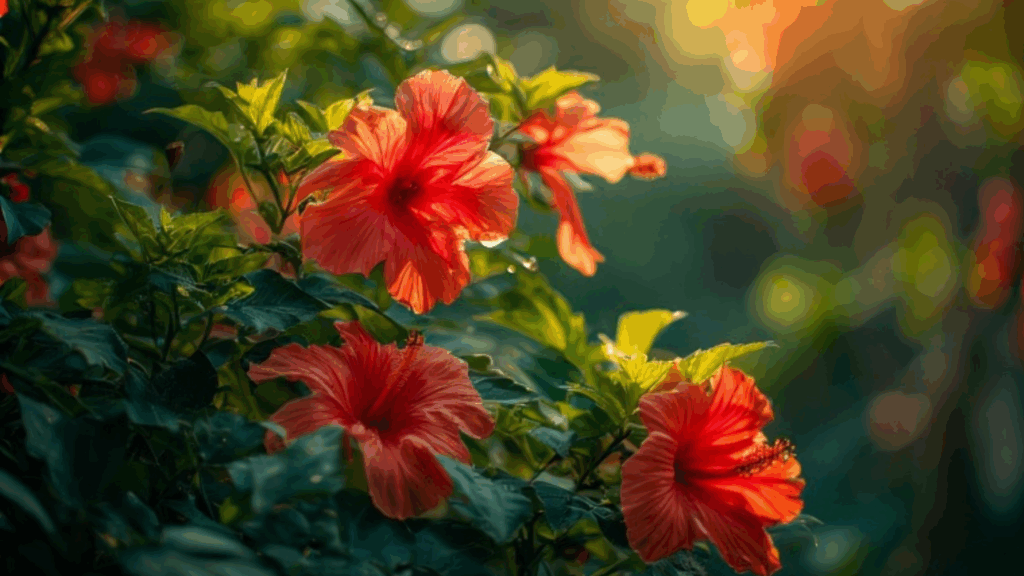
Tropical Hibiscus is often grown as an annual because it doesn’t do well in cold winters. You can grow tropical Hibiscus in warmer areas from zones 9 to 11.
Tropical Hibiscus will not tolerate winter temperatures below 40 degrees. So you must bring the plant indoors before the first frost.
Tropical hibiscus does best when grown in warm climates. So if you live in a warmer climate, a hibiscus plant will act as a perennial plant.
Which type of Hibiscus is hardy and which one isn’t?
How Climate Determines Everything
If you take one thing away from this article, let it be this: your ZIP code might matter more than your gardening skills when it comes to whether your hibiscus survives winter.
USDA Hardiness Zones Explained
The USDA Plant Hardiness Zone Map divides North America into 13 zones based on average minimum winter temperatures. Knowing your zone is like knowing your soil type — it’s foundational information every gardener needs.
Here’s a quick cheat sheet for hibiscus:
- Zones 4–8: Hardy hibiscus thrives as a true perennial. Tropical hibiscus must be treated as an annual or overwintered indoors.
- Zones 9–10: Both tropical and hardy hibiscus perform as perennials. Rose of Sharon also does well.
- Zone 11+: Tropical hibiscus is in its element. It may actually grow too vigorously and require regular pruning to keep it in check.
How to Grow Hibiscus Plant At Home | Tips For Growing Hibiscus Indoors and Outdoors
What Happens to Hibiscus in Winter?
Hardy hibiscus enters dormancy and dies back to the ground, re-emerging from its root crown in spring. Tropical hibiscus, without protection, will die completely in frost conditions. Rose of Sharon drops its leaves but its woody structure persists and re-leafs in spring.
If you’re in a transitional zone — say, zone 7 or 8 — you can extend the life of tropical hibiscus by mulching heavily around the base, moving potted plants indoors, or wrapping them in frost cloth. Think of it as tucking your plant in for a long winter nap.
Growing Hibiscus as a Perennial:
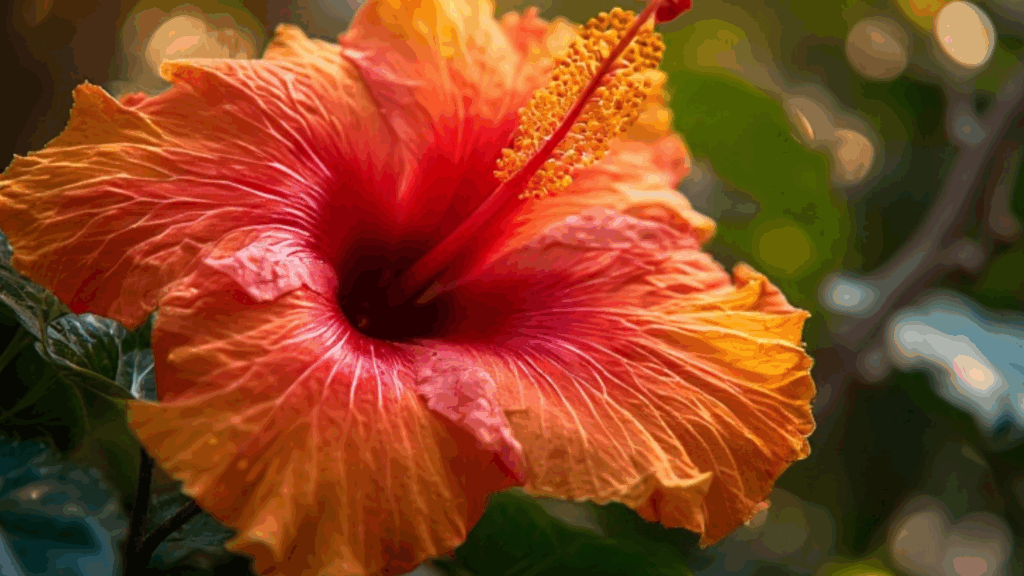
Want your hibiscus to come back year after year? Here’s how to set it up for success.
Soil, Sunlight, and Water Needs
Hibiscus loves full sun — at least six hours of direct sunlight per day. Plant it in well-draining, slightly acidic soil with a pH between 6.0 and 7.0. It’s thirsty, especially during its peak growing season, so consistent moisture is key. Think of hibiscus like that friend who needs their daily coffee — skip it, and things get ugly fast.
Feed it with a balanced fertilizer high in potassium during the growing season, and avoid over-fertilizing with nitrogen, which encourages leafy growth at the expense of those gorgeous blooms.
Pruning for Perennial Success
For hardy hibiscus, resist the urge to cut it back in fall. Leave the dead stalks standing through winter — they help mark the plant’s location (so you don’t accidentally dig it up in spring) and provide some insulation for the crown. Cut back in early spring once you see those first green buds pushing through.
For tropical hibiscus overwintered indoors, prune it back by about one-third before bringing it inside. This reduces stress and makes it easier to manage as a houseplant through the cold months.
Growing Hibiscus as an Annual:
Sometimes you just want the drama without the commitment. There’s absolutely nothing wrong with treating hibiscus as an annual and enjoying every bloom-filled moment of a single season.
Container Growing for Annual Flexibility
Growing tropical hibiscus in containers gives you the ultimate flexibility. You get stunning blooms on your patio all summer, and when temperatures start to drop, you have options: bring it inside, let it go, or propagate cuttings before frost hits. Container growing is honestly one of the smartest ways to enjoy tropical hibiscus in colder climates.
Choose a pot with excellent drainage, use a quality potting mix, and feed regularly with a bloom-boosting fertilizer. The bigger the container, the more root space — and more root space means more flowers.
Signs Your Hibiscus Won’t Come Back
Not every hibiscus makes it through winter, even with good care. Here are some tell-tale signs that yours may not return:
- No green growth by late spring: Hardy hibiscus is slow, but if you’re seeing absolutely nothing by June in temperate zones, scratch a stem. Green inside = alive. Brown and dry = not so much.
- Mushy or rotted crown: If the root crown feels soft and smells musty, root rot may have set in over winter.
- Complete branch dieback on tropical varieties: If you’re in a marginal zone and didn’t protect it, the roots may have frozen.
When in doubt, give it time. Hardy hibiscus has surprised many a gardener by emerging seemingly from the dead in early summer.
Common Mistakes Hibiscus Growers Make
Let’s talk about some of the most frequent hibiscus blunders, because knowing what not to do is just as valuable as knowing what to do.
Planting too early in spring is a big one. Hibiscus, especially tropical varieties, hates cold soil. Planting before soil temperatures consistently hit 60°F is like making someone run a race before they’ve had breakfast — it just doesn’t work well.
Overwatering in winter is another classic mistake, particularly for tropical hibiscus kept indoors. During dormancy, the plant needs far less water. Keep the soil barely moist, not soggy.
Giving up on hardy hibiscus too soon is perhaps the most heartbreaking mistake. Countless gardeners have dug up perfectly healthy plants in May, convinced they were dead, only to realize their error when a stump-less patch of soil later showed signs of life. Trust the process!
Conclusion:
So, are hibiscus perennials or annuals? The answer, as you now know, is a wonderfully nuanced “it depends.” Tropical hibiscus acts as a perennial in warm climates and an annual in cold ones. Hardy hibiscus is a true perennial that will faithfully return year after year, even after seemingly vanishing. Rose of Sharon is a reliable perennial shrub with impressive cold tolerance.
The key is knowing your species, understanding your climate zone, and giving your plant the right care at the right time. Whether you’re growing hibiscus for one glorious summer or hoping to build a long-term relationship with a hardy variety, this magnificent plant has something to offer every gardener. Now get out there and grow something spectacular.
FAQs
1. Can I keep a tropical hibiscus alive through winter indoors?
Absolutely! Bring your tropical hibiscus inside before the first frost, place it in a bright, sunny window, reduce watering, and prune it back slightly. It may drop leaves and look a bit sad, but it should bounce back come spring.
2. Why is my hardy hibiscus not coming up in spring?
Don’t panic — hardy hibiscus is one of the last perennials to emerge in spring, sometimes not showing growth until late May or even June. As long as the root crown isn’t mushy or rotted, give it more time before drawing conclusions.
3. How do I know if my hibiscus is tropical or hardy?
Tropical hibiscus typically has glossy, dark green leaves and comes in a wide range of colors including orange, yellow, and pink. Hardy hibiscus usually has larger, matte-finish leaves and produces enormous blooms, often white, pink, or red with a deep red center.
4. Does hibiscus grow back every year?
Hardy hibiscus does, yes — it’s a true perennial in zones 4–9. Tropical hibiscus only comes back every year in zones 9–11. In colder zones, it must be overwintered indoors to survive.
5. Should I cut back hibiscus in the fall?
For hardy hibiscus, it’s generally better to leave stems in place over winter and cut back in early spring. This protects the crown and helps you locate the plant. For tropical hibiscus being moved indoors, a light trim before bringing it inside is helpful but not strictly necessary.
Amazon and the Amazon logo are trademarks of Amazon.com, Inc, or its affiliates.

Gardener with 12+ years of hands-on experience growing vegetables and fruits in home gardens. Learned through trial, error, and observation — not textbooks. Shares what actually works (and what doesn’t) in real-world conditions. No fluff, no hype — just practical tips from the soil up.